Culture remembers what you repeat
Helping schools design better thinking through governance, leadership and learning.
Every school is shaped by thousands of small moments: the questions people ask, the decisions they make, the signals they notice, the routines they repeat. Over time, these moments become expectations. Expectations become habits. Habits become culture. Culture is not simply what a school believes. It is what a school repeatedly practises.
Governance · Leadership · Pedagogy · Accreditation · Systems
Synnovate helps schools make those patterns visible, intentional, and sustainable.
Workshops that help leaders, educators, and boards see the operating system beneath the surface - the unwritten rules, assumptions, routines, and signals that shape how a school works. Because you cannot strengthen what you cannot yet see.
Card decks that translate ideas from learning, leadership, strategy, and governance into practical prompts and routines - shared ways of noticing, questioning, collaborating, and deciding that teams practise every day.
Builds organisational memory by connecting decisions, documents, discussions, and strategy over time. Not just a record of what happened, but a clearer understanding of why.
Explore LOOM →School Storyline Research
What becomes recognisable when someone encounters your school for the first time?
Mission and vision describe what matters. The School Storyline Research Project explores what actually becomes recognisable through a school's public story, using a practical application of Synnovate's Six Principles and the Nine Map.
"Every school tells a story. The interesting question is whether it is the story the school intended people to recognise."
Explore the research Explore Designing What MattersA Storyline Map - where public attention concentrates
See the system
Every school has an operating system beneath the surface
It is found in the unwritten rules, assumptions, routines, and signals that quietly shape how people work together. Our workshops help educators, leaders, and boards see this hidden layer. Through practical experiences and structured reflection, teams develop a shared language for understanding the patterns influencing their school. Because you cannot strengthen what you cannot yet see.
What you engage
- A structured workshop (1-2 days or series) that starts with the symptom, then surfaces what's driving it
- Designed for senior leaders, boards, and teams
- Frameworks introduced only after participants have felt the problem they address
- Card decks as vocabulary tools - used after, not during, the experience
What you leave with
- Shared diagnostic language across governance, leadership, and teaching
- The capacity to read situations before reacting to them
- A visible map of system pressure and its consequences
- Prioritised actions - sequenced, not competing
Recognition
When organisations bring this in
Collective Thinking Design · Thinking better together, by design.
Three workshops. One diagnostic discipline.
Schools rarely struggle because people don't care or work hard enough. They struggle because the operating system - the routines, assumptions, signals and habits that quietly shape behaviour - remains invisible. Collective Thinking Design is the discipline of making it visible: three workshops that build the capacity to see the system, diagnose the pattern, and practise something different.
Collective Thinking Design: See
Beneath the Waterline
Make the hidden patterns visible.
Six structured encounters that teach leadership teams to see the hidden conditions shaping behaviour, before a single framework is named. Friction. Permission. Signals. Meaning. Visibility. Constraints - the six lenses that make an invisible operating system visible.
Collective Thinking Design: Diagnose
Waterline Lab
Understand what sustains the pattern.
The same six lenses, turned on your organisation's actual recurring patterns. Participants bring real friction, not designed puzzles, and produce a System Visibility Map - a sharper question, not an action plan.
Collective Thinking Design: Practise
Designing the Waterline
Build the routines that change the pattern.
Three principles - Attention, Accountability, Alignment - become practised routines, not slogans. Teams run one real four-meeting experiment, with a named guardian who checks: "Is the protocol holding?"
For boards & trustees
Strategy by Design
Board strategy retreats and strategic planning.
The same diagnostic discipline, at the board's altitude. A strategy retreat for school and trust boards that diagnoses why the last strategic plan or school development plan stalled, then rebuilds it as a coherent chain the school can actually deliver.
See. Diagnose. Practise.
A culture doesn't change because people understand it differently. It changes when a team practises something different, often enough, for the environment to remember. That's the arc these three workshops build: not just a clearer picture of your culture, but a stronger, higher-performing one.
A connected approach
A connected approach to school culture
Workshops help schools see differently. Decks help schools practise differently. Loom helps schools remember differently. Each strengthens the next, so culture changes through repeated practice rather than one-off initiatives.
See the system
Every school has an operating system beneath the surface. Our workshops help leaders, educators, and boards see the unwritten rules, assumptions, routines, and signals that shape how people work together. Because you cannot strengthen what you cannot yet see.
See the workshops →Strengthen the habits
Culture changes through repeated practice. The Synnovate decks translate ideas from learning, leadership, strategy, and governance into practical prompts and routines: shared ways of noticing, questioning, collaborating, deciding, and adapting. Small practices, repeated consistently, become the habits that hold a culture together.
See the decks →Preserve the thinking
Schools record policies, minutes, plans, and decisions, but the thinking behind them is often harder to find. Loom builds organisational memory by connecting decisions, documents, discussions, and strategy over time. Not just a record of what happened, but a clearer understanding of why.
Explore Loom →Together, they create the conditions for stronger, more intentional cultures: not through one-off initiatives, but through the repeated habits and decisions that shape a school every day.
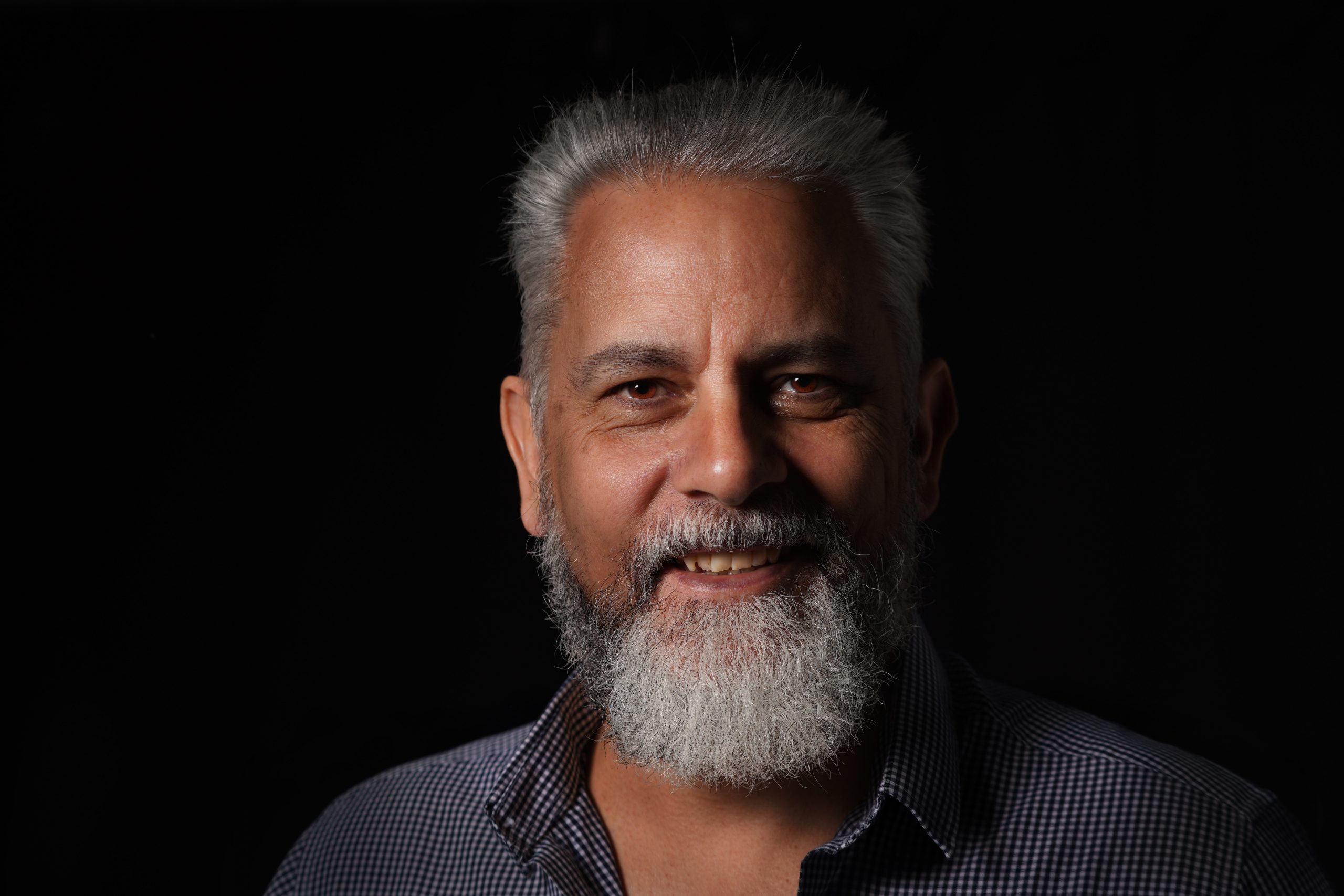
Origin
Thirty years in international school leadership
The pattern that prompted Synnovate wasn't particular to any one school. It showed up across accreditation visits, board work, and institutional reviews in schools across four regions - schools full of capable people, working hard, without a shared framework for how the pieces connected.
What kept appearing, across very different schools, was a version of the same challenge: connecting what the school said it valued to what was actually visible in classrooms, and building a shared understanding of what high-quality learning looked like - one that held across governance, leadership, and teaching, rather than meaning something slightly different at each layer.
That's what Synnovate is built around. Not new ideas about education, but ways of making the important ones tangible enough to actually work with together.
Culture is not what people believe. Culture is the behaviour a system makes normal.
Common questions
What Synnovate does, in plain terms
What does Synnovate do for schools and boards?
Synnovate helps schools and boards turn strategy and culture into everyday practice. That includes board strategy retreats and strategic planning, support for school improvement and development planning, governance and leadership workshops, card decks that build shared routines, and the Loom platform for governance and organisational memory.
Does Synnovate run board strategy retreats and strategic planning?
Strategy by Design is a board strategy retreat and strategic planning process for school and trust boards. It diagnoses why the previous strategic plan or school development plan stalled, then rebuilds it as a coherent chain from intent to evidence, so the strategy connects to the behaviours and conditions needed to deliver it.
How does Synnovate support school improvement and development planning?
School improvement and development plans often stall because they stay a flat list of priorities and deadlines. Synnovate makes the operating system beneath the plan visible - the routines, signals and habits that shape behaviour - then helps leaders and boards design the conditions that let improvement priorities actually take hold in classrooms and meetings.
Next Step
Book a Conversation
Discuss whether a Synnovate workshop would support your organisation.